On November 9, 1838, during the Second Seminole War, the U.S. Army established a military outpost in central Florida. Known as Fort Gatlin, the post was built by Lieutenant Colonel Alexander C. W. Fanning and four companies of the Fourth U.S. Artillery as part of a chain of forts across the region.
The location was selected for its strategic position overlooking three lakes and its proximity to an area frequented by Seminole people led by Chief King Philip and his son, Coacoochee. The Army named the fort for Assistant Surgeon John S. Gatlin, who had been killed during the Dade Massacre in 1835.
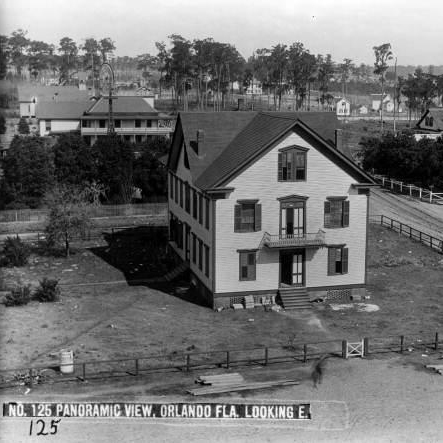
Fort Gatlin served as a post during the conflict, but its importance eventually faded. The Army withdrew in 1849. Some soldiers and families remained in the area, where they raised cattle and grew citrus. Their presence helped establish a settlement in the surrounding countryside.
In 1856, the settlement became the county seat of Orange County, created from Mosquito County in 1845. The community was initially known as Jernigan, after the family that established a permanent settlement. The name Orlando began to be used in 1857.
Exactly how Orlando got its name remains uncertain. One local tradition credits Orlando Reeves, a militiaman reportedly killed during the Second Seminole War. Other explanations have also been offered, and the City of Orlando recognizes that the name’s origin is not settled.
Today, Orlando is known worldwide, but its history reaches back to a military outpost established during a turbulent chapter in Florida’s past.
Share Article: