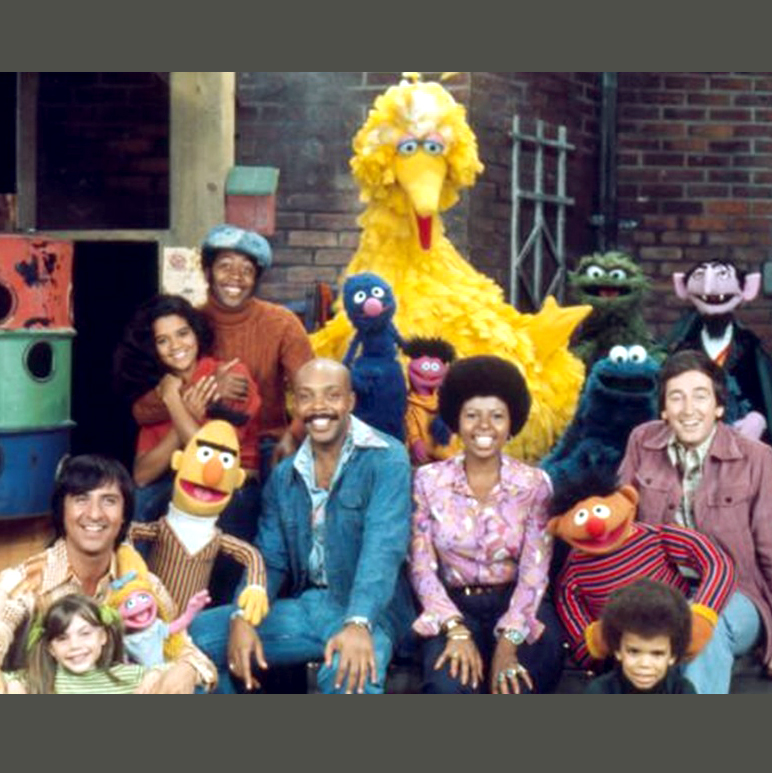
On November 10, 1969, a new television program invited children to learn their letters, numbers, and more from a neighborhood unlike any they had seen before. Sesame Street made its broadcast debut, beginning a remarkable chapter in children’s television history.
The first episode, titled “Gordon Introduces Sally to Sesame Street,” followed Gordon as he introduced a young girl named Sally to the neighborhood and its residents. Viewers met familiar human characters alongside Big Bird and Oscar the Grouch. The show combined humor, music, animation, and puppetry to make learning entertaining and accessible.
The idea behind Sesame Street grew from a question: Could television help prepare young children for school? Joan Ganz Cooney and Lloyd Morrisett helped develop the concept, bringing together educators, researchers, and television professionals. Their approach helped transform educational programming by making early learning engaging for children from different backgrounds. By the end of its first season, the program had reached millions of preschoolers.
Florida played a part in the growth of educational television, too. The University of Florida’s public television station, WUFT-TV, began broadcasting in Gainesville on November 10, 1958, with a mission to serve the university and schools throughout its broadcast area. By the late 1960s, its programming included educational shows for children, including Sesame Street.
More than five decades later, Sesame Street remains a familiar part of childhood for generations of viewers. What began as an experiment in educational television became a cultural institution, showing that learning can be meaningful, entertaining, and fun.
Share Article: