November 7, 2000, marked the beginning of one of the most closely contested presidential elections in American history. The race between Republican George W. Bush and Democrat Al Gore appeared to come down to a single state, Florida, where a remarkably narrow margin would determine the outcome.
Election night quickly became confusing. Television networks initially projected Florida for Gore before retracting their calls. Later, they declared Bush the apparent winner, prompting Gore to telephone Bush and concede. However, as additional results came in and the margin narrowed, Gore withdrew his concession. Neither candidate was ready to declare victory.
The initial Florida count gave Bush a lead of 1,784 votes out of nearly six million ballots cast. Because the difference was less than one-half of one percent, Florida law required an automatic statewide machine recount. That recount reduced Bush’s lead to just 300 votes.
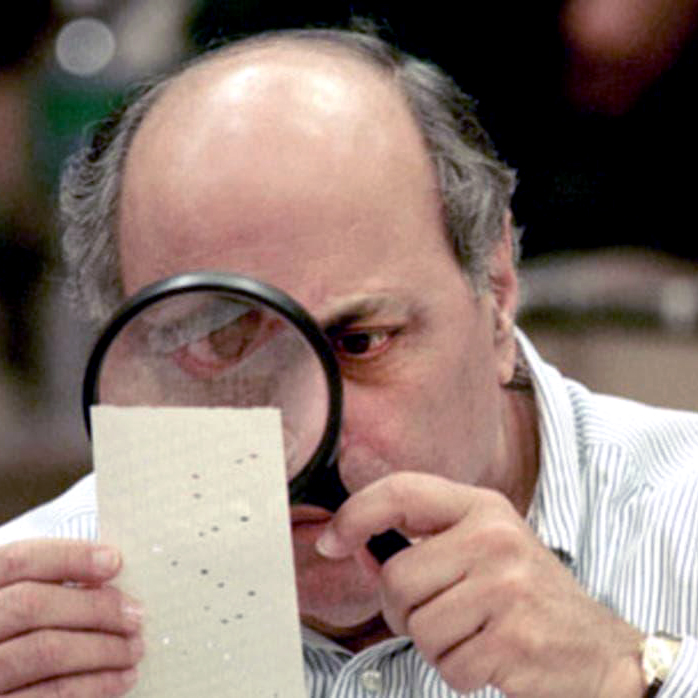
What followed was a weeks-long political and legal battle that drew national attention to Florida’s election process. County officials examined ballots, debated how to interpret punch-card markings, and faced questions about ballots that voting machines had not properly counted. Manual recounts in several counties became the center of an increasingly complicated legal dispute.
On December 12, the United States Supreme Court issued its decision in Bush v. Gore, effectively ending the recount process. Florida’s previously certified results gave Bush a 537-vote advantage over Gore, securing the state’s 25 electoral votes and, ultimately, the presidency.
Share Article: