On October 21, 1837, Seminole leader Osceola was captured near St. Augustine under a flag of truce, an event that became one of the most controversial episodes of the Second Seminole War.
During the war, the United States sought to force the Seminole people from their Florida homeland and relocate them west of the Mississippi River. Osceola emerged as a prominent leader in the resistance, opposing removal and helping lead efforts to defend Seminole lands.
In October 1837, Seminole leaders and their followers gathered near Fort Peyton, south of St. Augustine, for what they understood to be peace negotiations. Approaching under a white flag of truce, Osceola and other Seminoles were instead surrounded by U.S. troops and taken prisoner under orders from General Thomas Jesup. The capture drew criticism from many Americans, including those who supported the war, because the meeting had been presented as a peaceful parley.
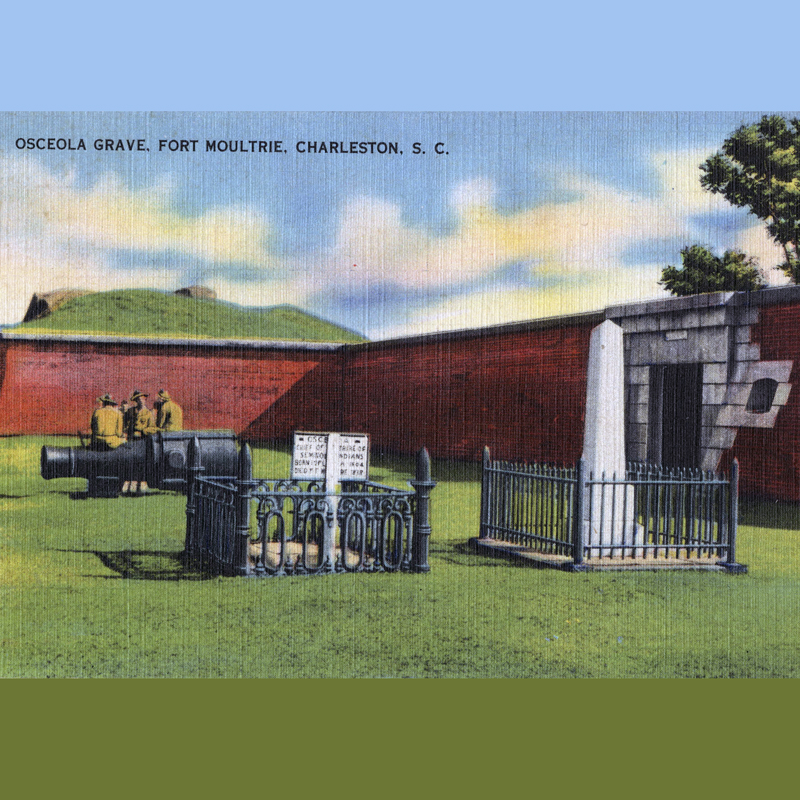
Osceola was imprisoned at Fort Marion, now known as Castillo de San Marcos, in St. Augustine. After several Seminole prisoners escaped, the remaining captives were transferred to Fort Moultrie in South Carolina. Osceola, already in poor health, died there on January 30, 1838, only months after his capture.
His death did not end the struggle of the Seminole people to remain in Florida. Osceola’s resistance became an enduring symbol of the fight against forced removal, while his capture under a flag of truce remains a troubling chapter in the nation’s history.
Today, the story reminds us that Florida’s past includes not only settlement and growth, but also the experiences of Indigenous people who fought to protect their homeland and their future.
Share Article: