On August 11, 1776, news of the Declaration of Independence reached St. Augustine, the capital of British East Florida. While celebrations erupted throughout the rebelling colonies, the reaction in Florida was quite different. Loyalists gathered in the city’s central plaza, today’s Plaza de la Constitución, and marched through the streets before publicly burning effigies of Continental Congress leaders John Hancock and Samuel Adams to demonstrate their support for the British Crown.
At the time, Florida was not one of the thirteen colonies seeking independence. Instead, Britain governed the region as the separate colonies of East Florida and West Florida. St. Augustine had become a refuge for Loyalists fleeing the Revolution, and many residents depended on British military protection and trade. For them, the Declaration represented rebellion rather than liberty.
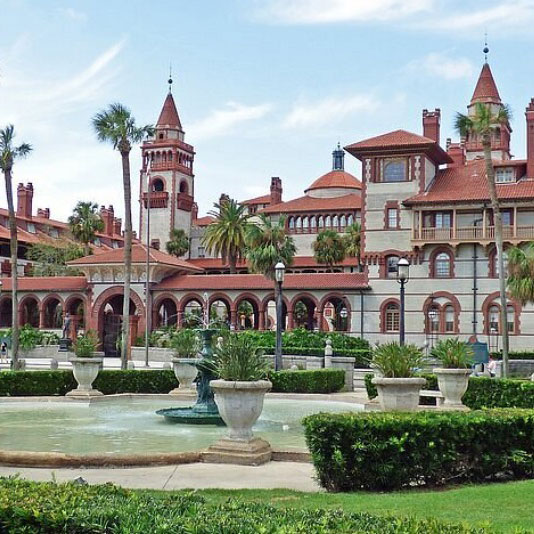
The Plaza de la Constitución (pictured) served as the civic heart of colonial St. Augustine, hosting public ceremonies, announcements, and celebrations. It was the natural gathering place for events such as this, making it a fitting symbol of Florida’s Loyalist past.
Florida remained under British control throughout the American Revolution and did not return to Spanish rule until 1783 under the Treaty of Paris. The events in St. Augustine remind us that the story of America’s founding looked very different in Florida than it did elsewhere along the Atlantic coast.
Share Article: