On November 13, 1821, Andrew Jackson submitted his resignation from the position he held overseeing the Floridas. His administration came during a pivotal transition, as the United States took possession of the territory from Spain.
President James Monroe appointed Jackson on March 10, 1821, as Commissioner of the United States, granting him the powers exercised by the governors of East and West Florida. Jackson accepted the assignment on the condition that he could resign once a territorial government had been organized.
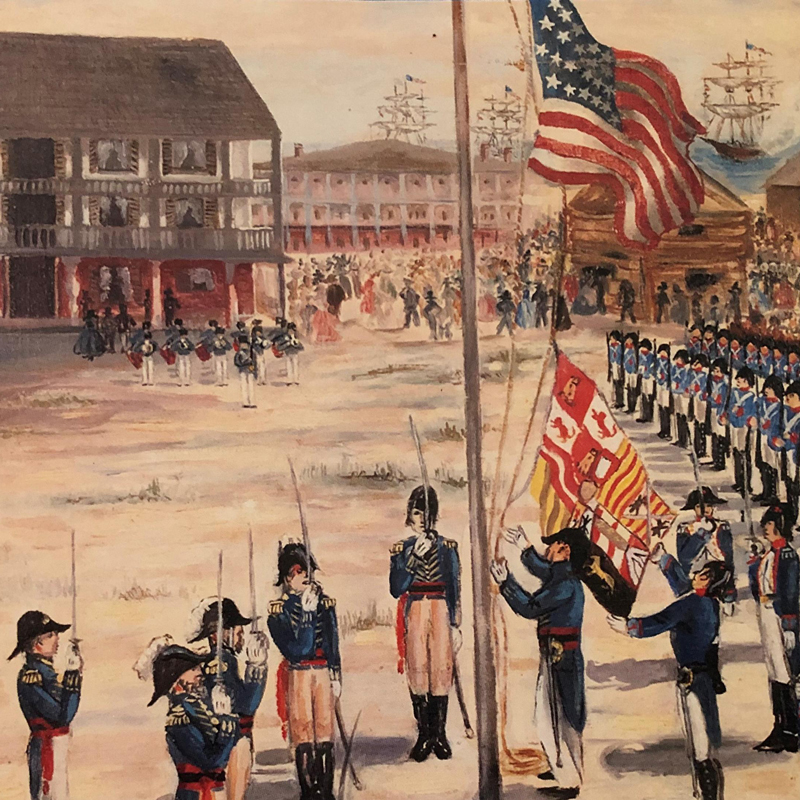
The transfer of West Florida took place at Pensacola on July 17, 1821. Jackson assumed responsibility for establishing American administration, making appointments, and replacing the Spanish government. His authority extended across both provinces, although he did not administer every area. Officials were designated to oversee East Florida in his absence.
Jackson left Florida on October 8 and returned to Tennessee. From there, he sent his resignation to Monroe on November 13. The president did not accept it until December 31, explaining that he had hoped to retain Jackson’s services until a temporary government was organized and a successor could be appointed.
Jackson’s role is often remembered as Florida’s first American governorship, but there is a distinction. The unified Territory of Florida was not established until March 30, 1822. William Pope DuVal was appointed its first territorial governor later that year.
Jackson’s time in Florida’s administration was short, but it marked a turning point. The transfer from Spanish to American rule began a political era that would shape the territory’s development and path to statehood.
Share Article: