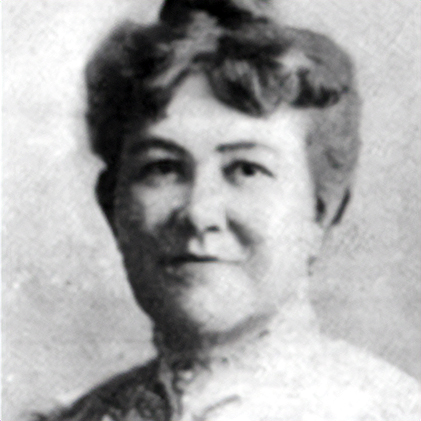
On November 5, 1872, Susan B. Anthony walked into a polling place in Rochester, New York, and cast her ballot in the presidential election. She believed the Fourteenth Amendment, which established citizenship rights, gave her the right to vote. Instead, her actions led to arrest and a highly publicized trial. In June 1873, she was found guilty and fined $100. Anthony refused to pay, turning her case into a rallying point for the women’s suffrage movement.
Decades later, that struggle was making history in St. Petersburg. On March 4, 1919, hundreds of suffragists gathered at Sixth Street and Central Avenue to march in support of women’s voting rights during the city’s Kermess Parade. Contemporary newspaper coverage reported approximately 350 marchers representing 25 states, as well as Canada, New Zealand, and England.
St. Petersburg women also gained municipal voting rights before the Nineteenth Amendment became part of the U.S. Constitution. In July 1920, Virginia Burnside became the first woman elected to the St. Petersburg City Council. She took office on July 1, nearly seven weeks before the amendment was ratified on August 18. Burnside was also recognized as the first woman elected to a municipal office south of the Mason-Dixon Line.
Anthony did not live to see women’s voting rights secured nationally. The Nineteenth Amendment marked a major milestone, but the fight for equal access to the ballot continued. From Rochester to St. Petersburg, these stories remind us that political change often begins with people willing to challenge the rules.
Share Article: