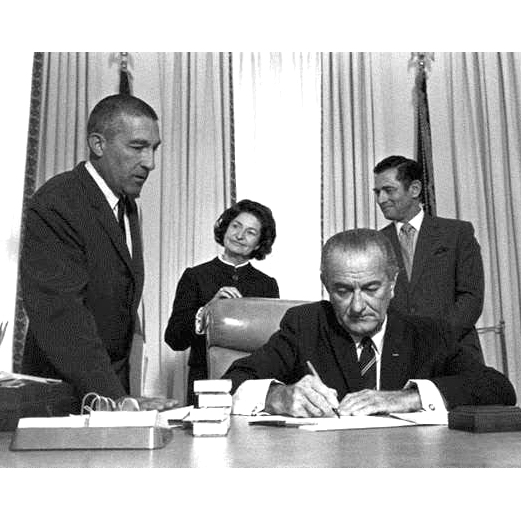
On October 15, 1966, President Lyndon B. Johnson signed the National Historic Preservation Act into law, creating a national framework for identifying and protecting historic and archaeological resources. The law came at a time when urban renewal, highway construction, and other development projects were destroying historic places across the country.
The Act established the National Register of Historic Places, the nation’s official list of significant historic and archaeological resources. It also created a process known as Section 106, requiring federal agencies to consider the effects of federally funded, licensed, or approved projects on historic properties.
The impact reached far beyond Washington. The law helped establish a preservation network involving federal, state, and local governments, as well as preservation organizations and communities.
Florida has been part of that effort for decades. Today, more than 1,700 Florida properties and districts are listed in the National Register, including buildings, neighborhoods, archaeological sites, and other resources considered significant to the state’s history and culture. The state’s Division of Historical Resources reviews Florida nominations before the National Park Service considers them.
The Act did not freeze historic places in time. Instead, it created tools to document, evaluate, and consider the future of places that help tell our stories.
Every historic building, archaeological site, and neighborhood preserved today is part of that larger story. October 15, 1966, marked a turning point in how America approached its past.
Share Article: