St. Petersburg History | Vanessa Wheeler
The 1921 Tampa Bay Hurricane: When the Water Changed the Coast
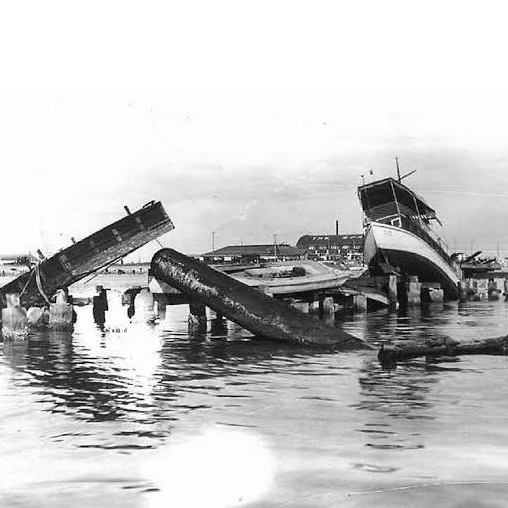
On October 25, 1921, a powerful hurricane struck Florida’s Gulf Coast, bringing destructive winds and a storm surge that reshaped parts of the Tampa Bay region.
The storm developed in the Caribbean, then moved across the Gulf of Mexico toward Florida. By the time it made landfall near Tarpon Springs, it was a major hurricane with estimated sustained winds of approximately 120 miles per hour. The National Weather Service identifies it as the most destructive hurricane to strike the Tampa Bay area since 1848.
The storm surge proved especially devastating. Water reached an estimated 10.5 feet above mean low water in Tampa Bay, flooding coastal neighborhoods and damaging seawalls, roads, and streetcar tracks. Along Bayshore Boulevard, water crossed the seawall and inundated nearby homes. In Ybor City, waves from the bay nearly reached the streets. St. Petersburg also suffered damage, including destruction at the Gulfport Casino and damage to the Municipal Pier.
The hurricane even changed the local landscape. Before the storm, Honeymoon Island and nearby Caladesi Island were part of one landmass known as Hog Island. The surge cut through the island, creating Hurricane Pass and separating the two islands we know today.
Agriculture also suffered as flooding brought saltwater into fields and damaged crops. The hurricane claimed eight lives and caused an estimated $10 million in damage, an enormous loss for the region at the time.
More than a century later, the 1921 hurricane remains an important reminder of how a storm’s path can determine its impact. Tampa Bay’s history shows that coastal flooding can transform communities and landscapes in a matter of hours.
Share Article: